
Hi, folks,
Look, we know you’re getting a lot of requests for donations this time of year. I wouldn’t blame you for getting overwhelmed and looking for ways to cut down on all the demands. Here’s an easy one: When you donate to help Votebeat get to our $8,000 goal, we’ll opt you out of fundraising emails for the rest of the year. Plus, you’ll be considered a member for the next 365 days, giving you access to our members-only events like last week’s midterms debrief and more member perks we’ve got in the works. Give any amount today to take advantage and get peace of mind.
On to the news: For years, voters with disabilities have asked for the ability to receive, mark, and return ballots electronically in Wisconsin.
To that end, Disability Rights Wisconsin and a handful of voters with disabilities filed a lawsuit against the Wisconsin Elections Commission in 2024, after similar lawsuits across the country were successful.
On Wednesday, a Dane County judge granted the plaintiffs a sizable win.
Reaffirming a decision from August, Judge Everett Mitchell ruled yesterday that Wisconsin’s absentee voting program violated the federal Americans with Disabilities Act because voters with print disabilities — including people who are blind or have cerebral palsy or other conditions limited their ability to write — weren’t able to vote with the same independence as those without disabilities.
“The ADA has been in place for more than a generation; it is high time that WEC brings itself into compliance with the law,” said Scott Thompson, staff counsel for Law Forward, who is representing the plaintiffs in this case.
Rather than ordering specific relief, Mitchell ordered the plaintiffs and the election commission to enter into mediation to come up with a solution.
What that solution will look like isn’t entirely clear, but some voters with disabilities may soon have the ability to vote electronically.
In court briefs, the election commission has spotlighted both the difficulty of creating an electronic voting program and the potential cybersecurity risks of such a program. As mediation comes to a conclusion, I’ll update you on how electronic voting may be implemented in Wisconsin.
Let me know what questions you have about elections in Wisconsin. You can reach me at [email protected] or by replying to this email.
Elections don’t end on Election Day. All year long, Votebeat is reporting on the decisions, lawsuits, and policy changes that affect how you vote. Donate any amount to keep this work free for everyone.
The Big Story
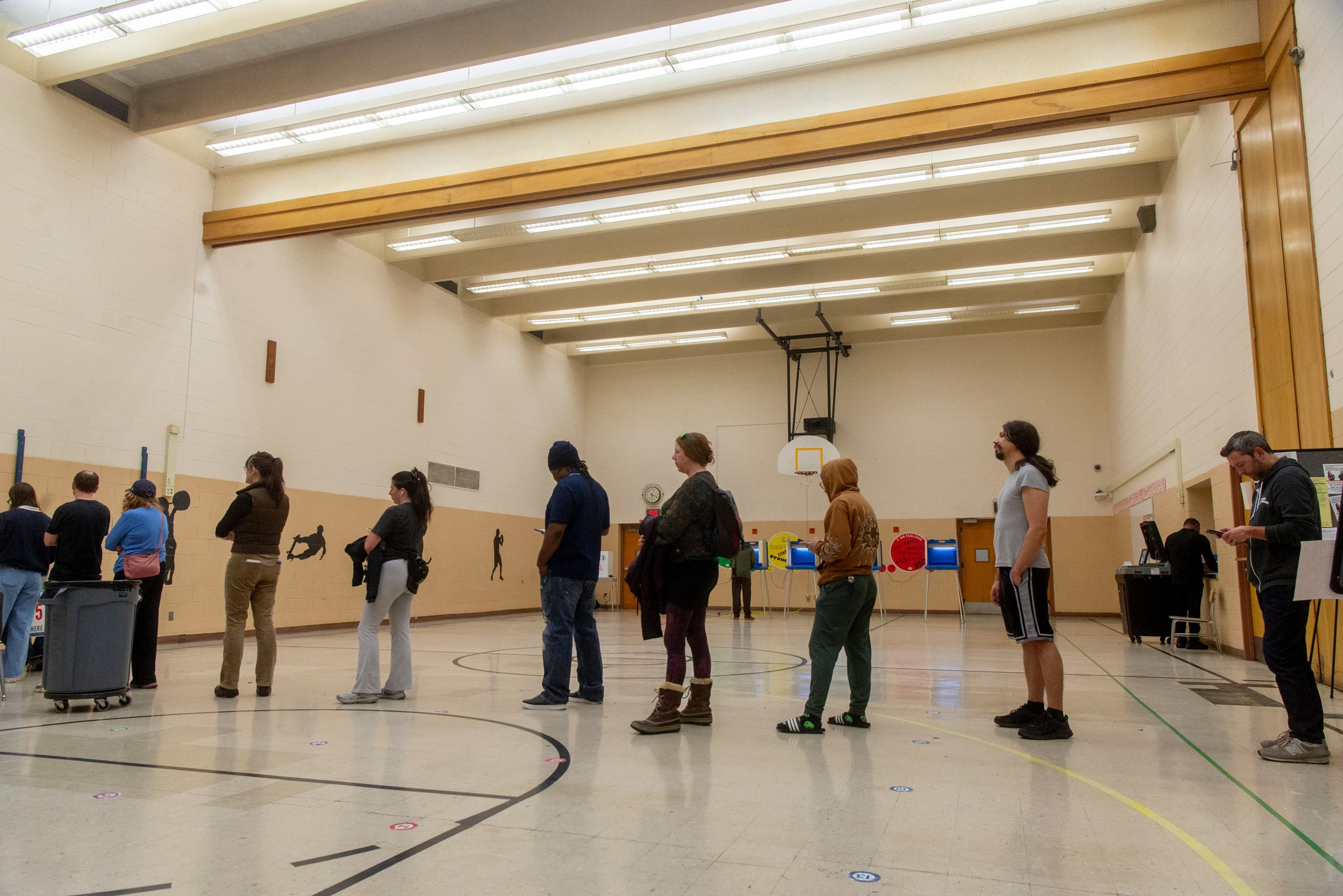
Wisconsin students again face long lines to vote as officials grapple with campus wait times
Our Latest Stories

How Wisconsin Democrats want to transform election law after flipping the legislature
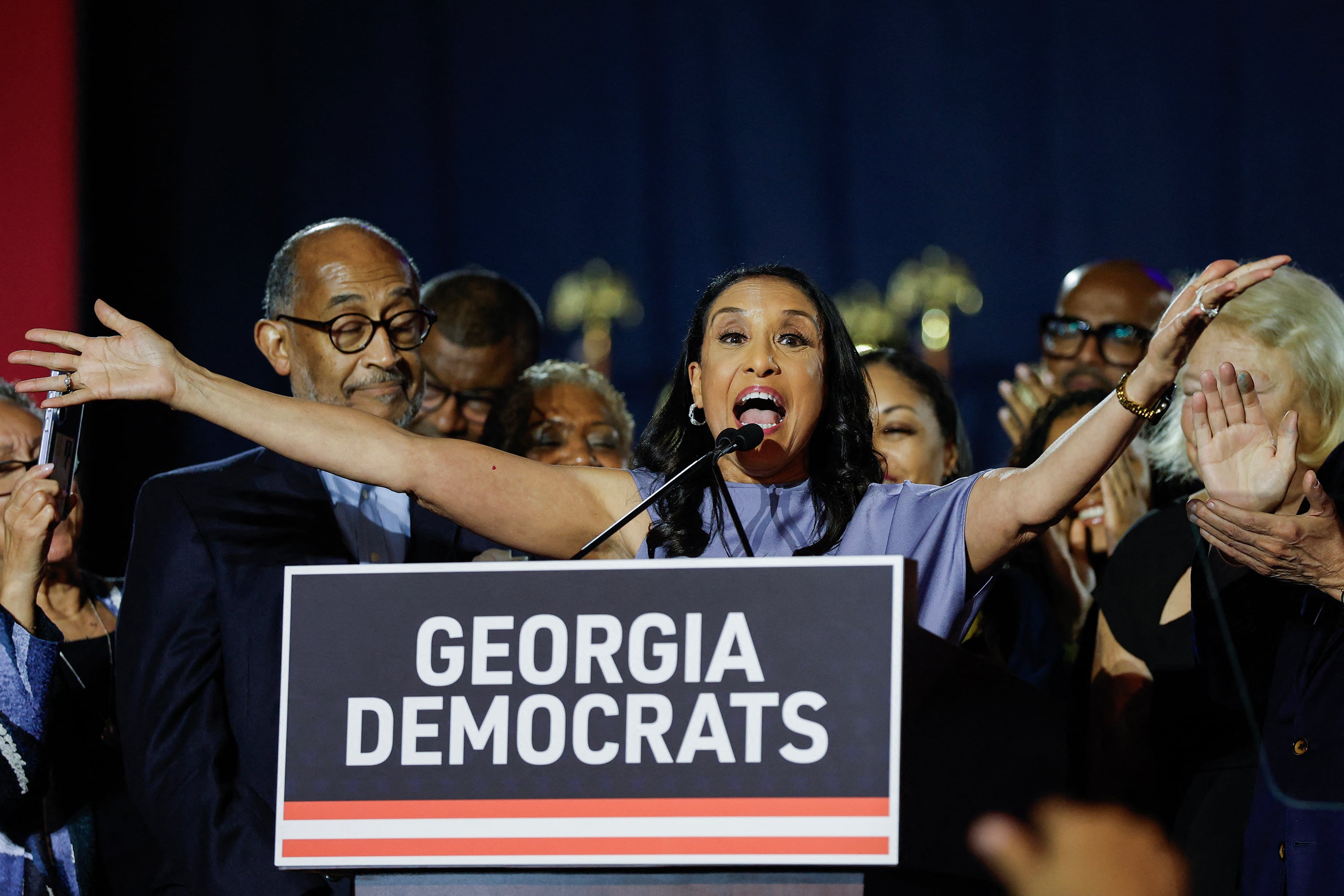
Democrats won several key races for top state election official

Election Day errors add to Milwaukee’s history of messy elections
In Other Voting News
Roll of the dice election audits land on Ozaukee County, Ozaukee County News Graphic
After smooth election, Wisconsin clerks look to Legislature for long-sought changes, Wisconsin Public Radio
Looking for your next read? Check out these other great newsletters.


