
Votebeat’s journalism is made possible by our sponsors.
Interested in becoming one? Learn more here.

|
Hello, Pennsylvania!
It’s here! The moment we have all been waiting for! With Labor Day this past weekend, the 2026 midterm election is underway. I celebrated the end of summer (or start of election season, take your pick) the traditional rural Pennsylvania way: with a demolition derby and fireworks. What did you do?
The first story I want to draw your attention to is a report I worked on with my colleague Jessica Husema about a statistical model that has been used to support claims of potential election irregularities in Pennsylvania and elsewhere. The model, the work of a University of Michigan professor, uses turnout data to detect patterns it labels as fraud. It has been used by people and groups to support their claims that some specific elections, including Trump’s 2024 win in Pennsylvania, may have been affected by fraud.
But peers in the political science and election data space expressed serious doubts about whether the model can accurately detect fraud in U.S. elections, and said the professor's decision to provide preliminary, non-peer reviewed results from his analysis to an advocacy group was akin to “handing someone a stick of dynamite and being surprised when you walk away and it detonates.” Dive in to the full story here.
Next up, the Department of Justice charged three individuals, including two noncitizens, with voting-related crimes in Pennsylvania last week. The charges surround instances of noncitizens registering and voting (one appears to be charged in an accomplice capacity).
Normally we don’t cover one-off voting crimes, unless, like in this case, there is some more interesting context surrounding it. That, of course, is the federal government’s claim that there are thousands of potential noncitizens on our voter rolls, and a pledge for an enforcement surge. So far, the Trump administration has not substantiated its claims, and this instance is in line with what voting officials have always said: noncitizen voting happens, but it's incredibly rare. Read the full story here.
Lastly, if you are a reporter, I have a resource I hope you’ll take full advantage of: Me! Mike Wereschagin, the assistant managing editor of Power & Policy at the Pittsburgh Post-Gazette, and I will be co-presenting a panel hosted by the Pennsylvania NewsMedia Association on “Data Journalism in Election Integrity.”

We’ll be going over how you can fact-check claims about elections by using data or by double-checking the data others are presenting. Election data can be extremely complicated and there are common pitfalls you’ll want to avoid, and Mike and I have you covered. My hope is that you’ll walk away from this talk prepared with the tools to quickly and effectively respond to misinformation with cold hard facts. The talk is Monday at noon, and you can sign up here.
Quote of the Week
“It is something that my office takes seriously when there is credible evidence that an ineligible individual is registered to vote. That is credible evidence. At this point, for example, the Department of Homeland Security has not provided us with any written or detailed description of the methodology they used to support its claims.”
This week’s quote comes from Secretary Al Schmidt. Schmidt was giving the first of his planned weekly midterm press conferences. He was speaking here (at the 8:50 mark) about noncitizen voting and the Department of Homeland Security’s claim that 14,000 potential noncitizens are on the state’s voter roll.
Clearly the message is: The Trump administration may be out there making these claims, but they can’t back them up — or at least haven’t so far.
What else should I look into? You can always reach me by email at [email protected], on X @ByCarterWalker, or on Bluesky @bycarterwalker.bsky.social. Follow me on TikTok and Instagram for video explainers of Pennsylvania voting and elections news.
And if you know someone who might be interested in our reporting on elections and voting throughout Pennsylvania, forward them this newsletter — they can sign up for it here.
Join Votebeat’s Expert Desk for the 2026 midterms. Journalists can ask questions in Slack and get on-the-record answers from vetted election experts — helping speed up reporting during one of the most hectic stretches of the year. It’s completely free. Reporters and editors can join here.
Votebeat's reporters watch and report on vote counting and other key election processes. Help keep them in the room by donating today.

You’re invited: Will the midterms happen? Your election questions, answered | Part 2
Will the 2026 midterms happen? Short answer: Yes.
Long answer: Elections happen because thousands of local officials follow state and local laws requiring them to happen — and history shows they’ve done so before, even under immense pressure. The greater danger isn’t no election, but one that’s chaotic, unfairly challenged, or deliberately cast as illegitimate after the fact.
Got more questions about the midterms? Submit them to Votebeat reporters with your RSVP, and they’ll give you the long answer live on Sept. 15 at 1 p.m. EDT.
The Big Story
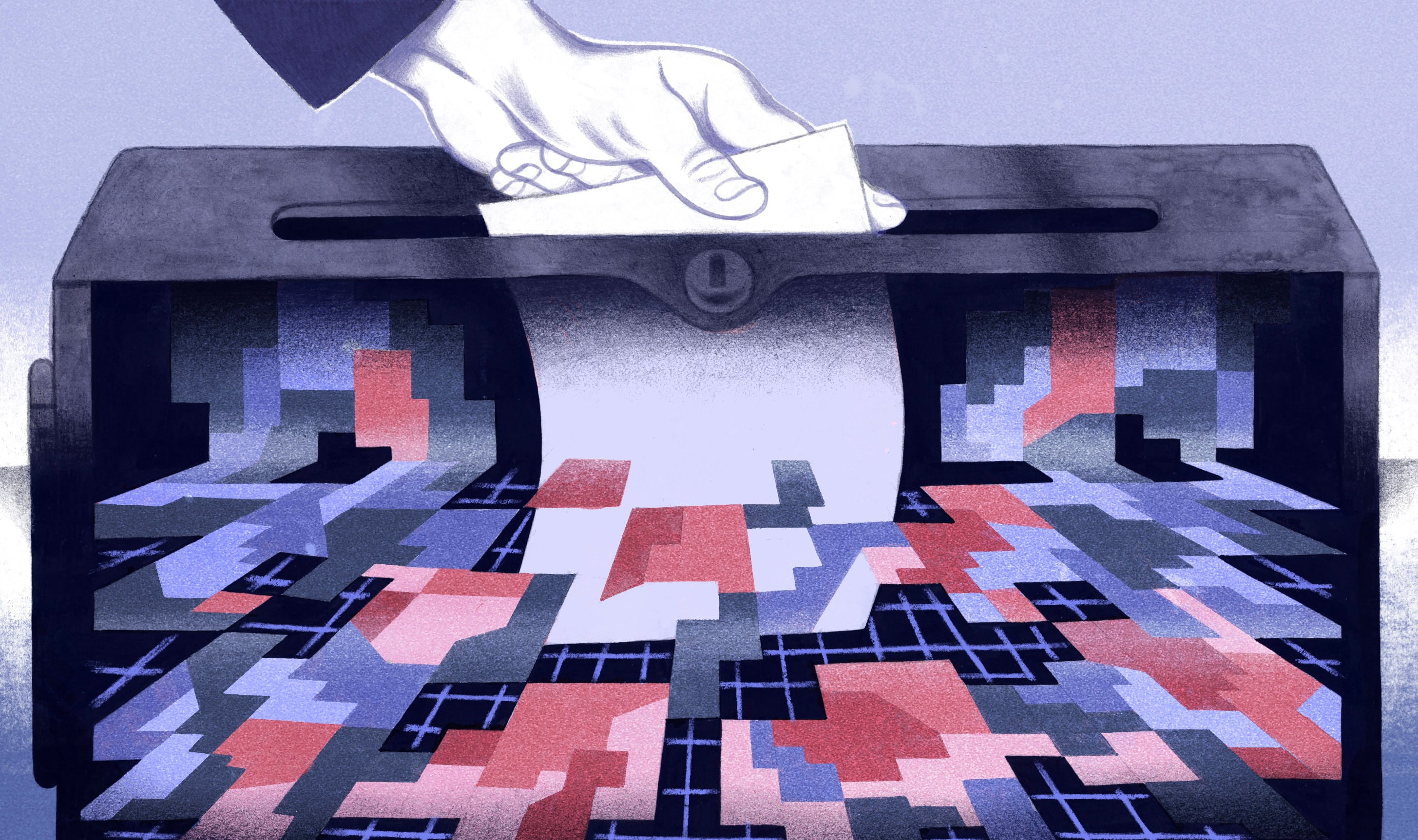
His model was built to detect voter fraud. Now it’s testing the limits of election trust.

|
Our Latest Stories
Attorney faces possible discipline over conduct in 2020 Fulton County election lawsuit
Update: Supreme Court to decide fate of Trump administration’s proposed mail-ballot rules
Department of Justice charges 5 in Pennsylvania, Wisconsin, and New Jersey with crimes related to noncitizen voting

|
In Other Voting News
Looking for your next read? Check out these other great newsletters.

