
Hey, Arizona!
Look, I know you’re getting a lot of requests for donations this time of year. I wouldn’t blame you for getting overwhelmed and looking for ways to cut down on all the demands.
So here’s an easy one: When you donate to help Votebeat get to our $8,000 goal, we’ll opt you out of fundraising emails for the rest of the year. Plus, you’ll be considered a member for the next 365 days, giving you access to our members-only events like last week’s midterms debrief and more member perks we’ve got in the works. Give any amount today to take advantage and get peace of mind.
Now, let’s get into today’s newsletter.
I’ve spent the last few days watching counties across the state certify the results of the recent midterm election. Soon, the state will hold its certification ceremony.
Typically, that’s followed by a slew of automatic recounts and legal challenges. But that might not happen this time around — at least, not on the scale that it did after other recent major elections — because voters were rather decisive in 2026. Most of the high-profile races were decided by fairly wide margins this year.
There’s one exception: Arizona’s 2nd Congressional District. There, Republican Eli Crane narrowly beat out Democrat Jonathan Nez by a little less than 3,500 votes, or a single percentage point.
To be clear, that’s not within the state’s automatic recount margin. And Nez has already publicly congratulated Crane on his win, so this race likely isn’t headed to a challenge in court. But the contest still serves as an interesting lens through which to look at voting access and election administration in a part of the state where voters have long faced challenges.
The massive and largely rural district covers the northeastern quadrant of the state. It stretches across a vast and diverse range of communities, from cities like Payson and Prescott to the Navajo Nation and Hualapai Indian Reservation.
Many of those areas have seen barriers to voting. And in some counties, the situation has historically been made worse by bad election administration. Apache County, for instance, covers a vast swath of the Navajo Nation and is entirely enveloped by the 2nd District. There, I recently found a combination of technical glitches, communication shortfalls, understaffing, and poor preparation disenfranchised voters during a disastrous 2024 election.
The county has since made some changes, and from an election administration standpoint, voting there appeared to run smoothly this year.
But much of the district was hit with fierce storms in the leadup to Election Day. That caused flooding and impassable roads, effectively cutting off voters in some communities from the polls.
Across the district, locals banded together to help those voters cast their ballots. On the Navajo Nation, voting advocates sent community members with trucks, ATVs, and tractors to offer free rides to the polls. In Cottonwood and Flagstaff, city officials managed a similar effort to get voters to the ballot box.
Still, in other states, voting in the wake of severe weather might not have been such a hassle. For instance, nearly 250 voters in San Juan County, Utah — right over the border from Apache County — used electronic emergency ballots on Election Day. In a number of states, voters can also collect and return ballots for other voters, regardless of whether they are caretakers, household members, or just neighbors down the street.
Those aren’t options available for voters in Arizona — but that could change. For the first time in decades, Democrats have won a majority in both chambers of the state legislature, and they seem to be gearing up to consider a bunch of bills aimed at improving voter access and convenience.
That could make a big difference for voters of all political stripes in places like the 2nd District.
That’s it for this week — but I’ll be back in your inbox soon. Tell a friend to sign up here so they don’t miss out.
In the meantime, let me know what I should look into next. You can reach me anytime at [email protected].
Elections don’t end on Election Day. All year long, Votebeat is reporting on the decisions, lawsuits, and policy changes that affect how you vote. Donate any amount to keep this work free for everyone.
On the Lighter Side
I’m typing this newsletter from Mesa Community College, where the Students Learn Students Vote Coalition is holding its annual National Student Vote Summit.
Throughout the day, I’ve had the chance to interact with many campus leaders and nonprofit organizers focused on nonpartisan work around youth voter engagement.
My photographer and I have also gotten to interact with and photograph more than 40 students from across the country.
Think about that — dozens of students took time to travel here to talk about voter engagement. That’s pretty inspiring, and I hope it adds some sparkle to your day. ✨
Our Latest Stories

Secretary of State Adrian Fontes pitches big changes to Arizona voting laws ahead of 2028
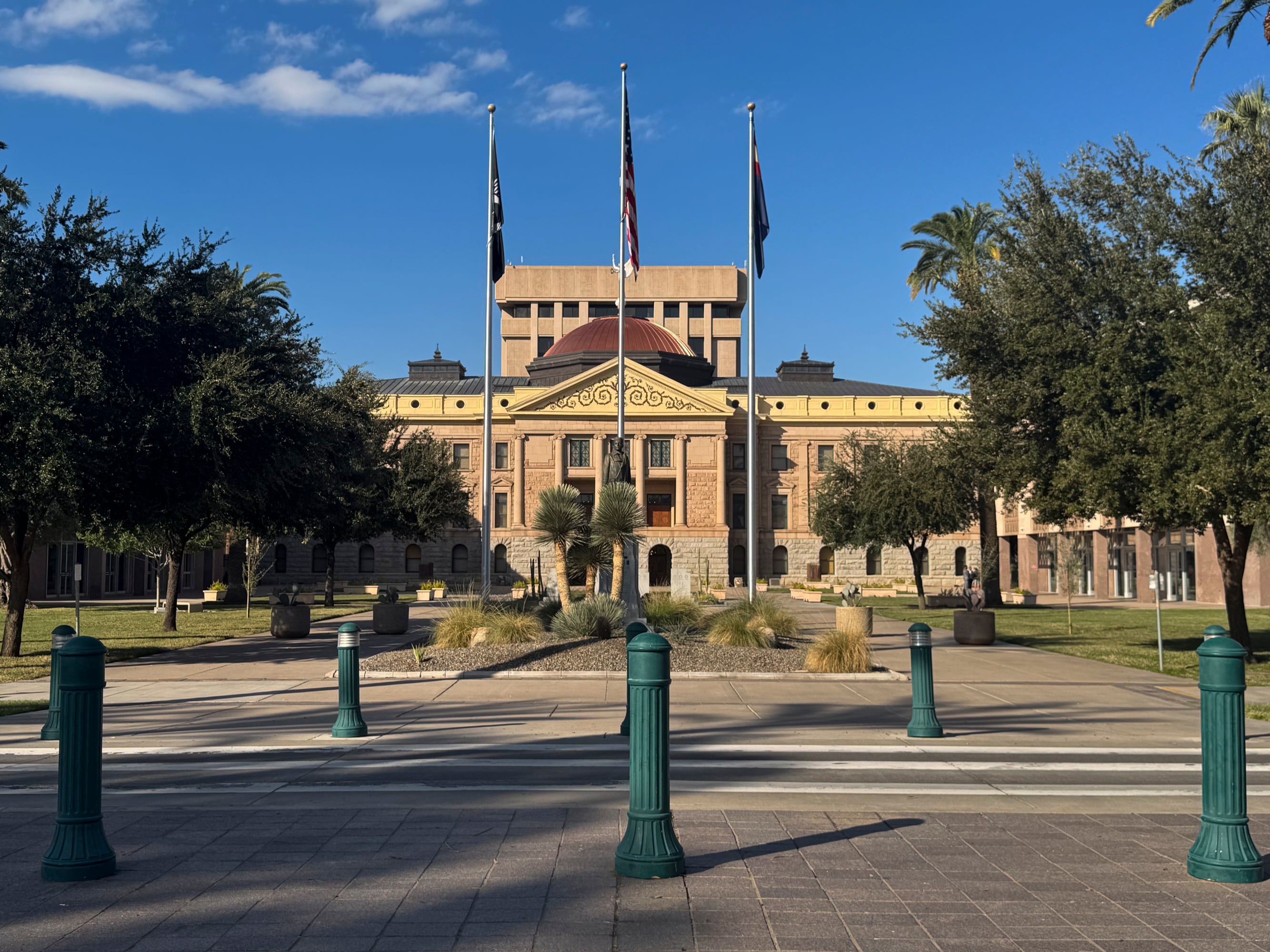
Democrats have taken control of the Arizona Capitol. Here’s what we know about their election agenda.
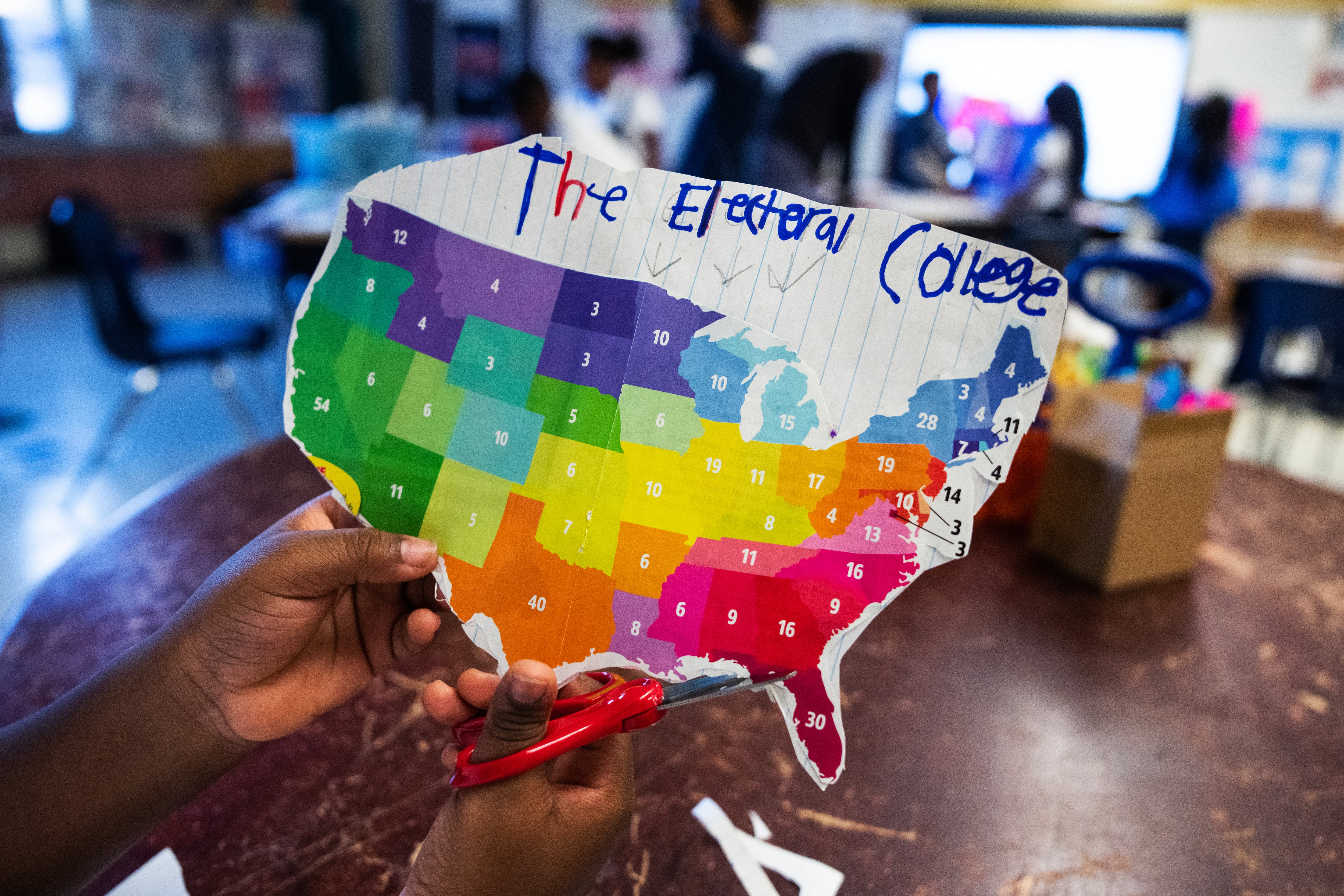
The 2028 presidential election could be the first to be decided by popular vote
In Other Voting News
How mules deliver Grand Canyon election ballots, Capitol Media Services
They can't vote. Yet they shape the 'No Sabo Kids' vote, Arizona Republic (Paywall)
Hobbs chief of staff to leave administration, former state elections director to replace him, Arizona Mirror
Eight noncitizens who voted in Maricopa County elections won’t face charges, State Affairs (Paywall)
Looking for your next read? Check out these other great newsletters.


